




The Colorado Wildfires and Hazardous Materials Clean-up
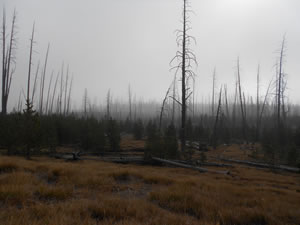 Hazardous Materials from the homes burned in the Colorado Wildfires
Clean-up from the Colorado wildfires of this summer and fall is not as straightforward or simple as you might think. Materials used in not only home construction, but also within the home, can be extremely hazardous after a fire.
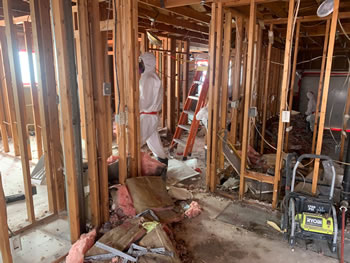
For example, car batteries or mercury light bulbs, lead-based paint, plastic items and other potentially toxic materials may have been present in the buildings prior to the fire. People should take precautions when entering buildings that are partially damaged by the fire or when handling any materials from buildings completely destroyed by the fire. They should wear protective clothing and equipment to avoid skin contact with debris and inhalation of ash.
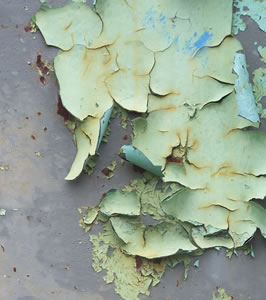 If your home was built before 1978, there is a good chance it has lead-based paint. In 1978, the federal government banned consumer uses of lead-containing paint, but some states banned it even earlier. Lead is a highly toxic metal that may cause a range of health problems, especially in young children. When lead is absorbed into the body, it can cause damage to the brain and other vital organs, like kidneys, nerves, and blood.
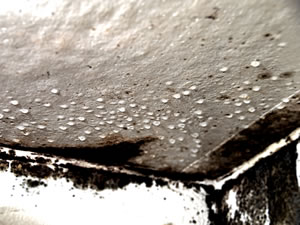 Molds are very common in buildings and homes. Mold will grow in places with a lot of moisture, such as around leaks in roofs, windows, pipes, or where there has been flooding. Mold grows well on paper products, cardboard, wood products, ceilings tiles, carpet, and pad. Mold can also grow in dust, paints, wallpaper, insulation, drywall, fabric, and upholstery.